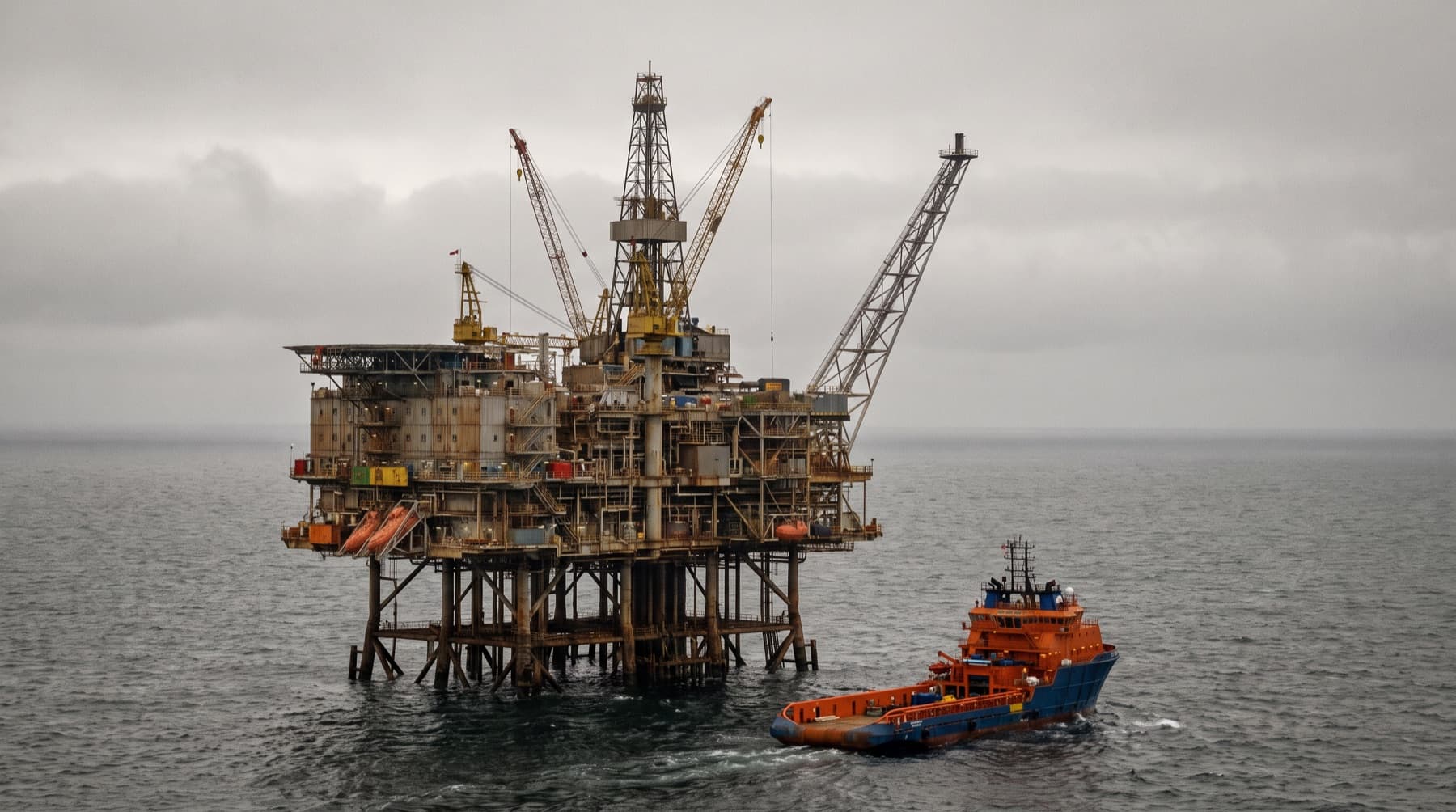
Washington —The Environmental Protection Agency has proposed a broad rollback of its 2024 methane standards for oil and natural gas operations, a change the agency estimates would save $45 billion. The proposal, published in the Federal Register on Oct. 29, would rescind the Super Emitter Program and set separate requirements for smaller and conventional well sites, with public comments due by Dec. 16.
The 128-page proposal revises the New Source Performance Standards for new and modified sources and the Emission Guidelines that states use to limit methane from existing sources. According to the Federal Register notice, the EPA is responding to petitions for reconsideration of the March 2024 rules, as well as to its own policy decisions and legal interpretations.
Beyond ending the Super Emitter Program, the notice proposes changes to requirements covering liquids unloading, process controllers, pumps, fugitive emissions, storage vessels, covers and closed vent systems, equipment leaks at gas plants, and associated gas from oil wells. The EPA also proposes two options for splitting well sites into subcategories, one for marginal wells and one for conventional wells, to address issues raised about how the 2024 requirements apply to those sites. On associated gas, the notice includes a section concluding that routing the gas to a sales line is not the best system of emission reduction, the legal benchmark the standards are built on, and it solicits comment on alternatives for oil wells that lack access to gas gathering systems.
In its summary of the action, the EPA estimated that the proposal would add 210 million barrels of U.S. oil production and more than 1.4 trillion cubic feet of U.S. natural gas. The summary does not say over what period the $45 billion in savings would accrue.
How the rollback builds on earlier changes
The 2024 rule, issued in December 2023 and published in March 2024, was the first to limit methane from existing oil and gas sources nationwide. The EPA describes the industry as the largest industrial source of methane in the U.S. The current administration has been narrowing the rule in stages. In November 2025, an interim final rule extended several compliance deadlines and gave states more time to submit plans. In April 2026, the EPA finalized narrow technical changes to temporary flaring and monitoring provisions. On May 1, 2026, it issued guidance saying producers could continue routine flaring of associated gas at new oil wells in limited circumstances after the May 7 phase-out deadline. A separate proposal to revise air toxics standards for oil and gas facilities has been pending since April.
A Democratic Congress
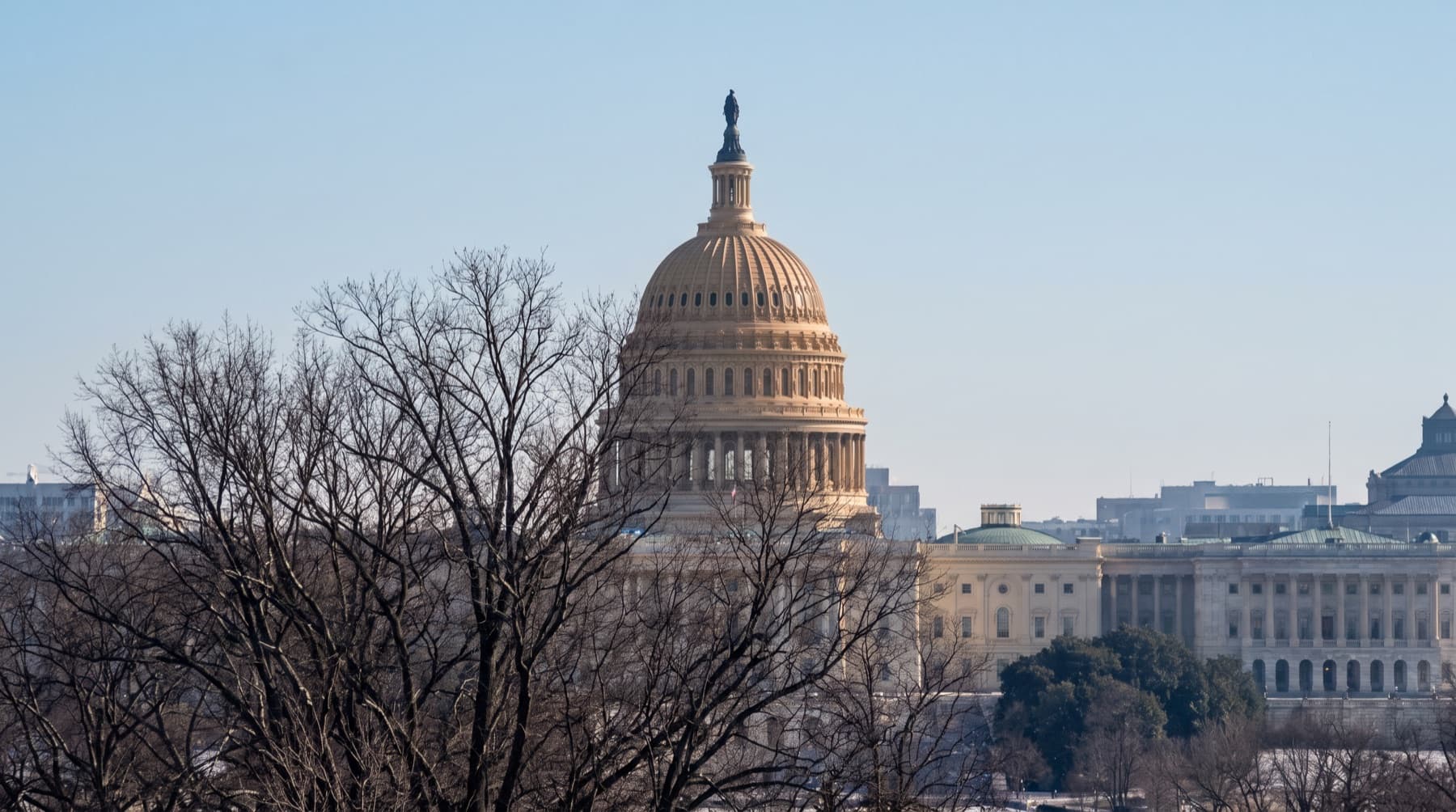
The proposal is open for comment after Democrats won majorities in both the House and the Senate in this week’s midterm elections, according to OilPrice.com, which described the result as a potential legislative check on the Trump administration.
Congress has reversed changes to these rules before. A joint congressional resolution adopted under the Congressional Review Act disapproved the EPA’s 2020 policy amendments to the oil and gas performance standards; the agency’s regulatory history dates that disapproval to June 30, 2021. The new measure is still only a proposal. It cannot take effect until the EPA reviews public comments and issues a final rule.
Oil prices were higher late Thursday. As of 9:51 p.m. Eastern time, Brent crude oil was at $99.69 a barrel, up 1.4 percent, and WTI crude oil was at $91.52, up 1.1 percent. US natural gas futures were at $3.00 per million British thermal units, up 1.8 percent. According to OilPrice.com, Brent fell 8.7 percent on Wednesday as traders bet the election result would push the administration toward a peace deal with Iran, before rebounding on Thursday.
Key dates
- Nov. 10: last day to pre-register to speak at the EPA’s virtual public hearing.
- Mid-November: the virtual public hearing. The Federal Register notice gives the date as Nov. 13 in one section and Nov. 16 in another; the EPA says updates will be posted on its website.
- Nov. 30: comments on the proposal’s information-collection provisions are due to the Office of Management and Budget.
- Dec. 16: the public comment period closes under docket EPA-HQ-OAR-2025-0163.
After the comment period closes, the EPA will need to finalize the rule, and Democrats will decide how hard to push back. Both steps will determine how much of the $45 billion in savings the EPA estimates is realized.